
Digital ICs of the CD4000 and 74HC Series by HONGLIFA (HLF)
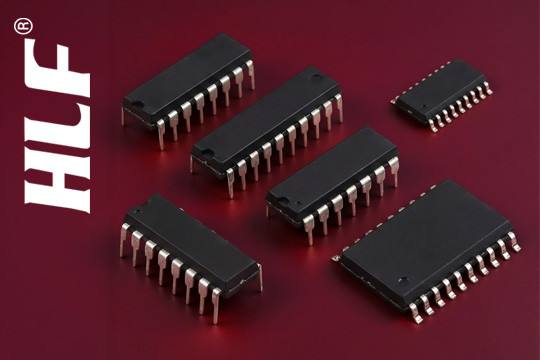
Electronics classics still going strong - why CD4000 and 74HC ICs are not going out of use
Digital ICs from the CD4000 and 74HC series are true veterans of the electronics world. Although they were developed decades ago, their role remains invaluable. Why? Because in electronics, it’s not only innovation that matters, but above all proven reliability and simplicity.
In today’s electronics landscape, it’s easy to assume that only the latest technology counts-faster processors, more complex microcontrollers, and highly integrated SoCs. While microcontrollers and SoCs are powerful, they are also more complex and costly. Meanwhile, simple logic gates, counters, and flip-flops still find their place in a vast number of applications-from industrial systems and automotive electronics to consumer devices.
These ICs offer several key advantages that explain their enduring popularity:
- Universality and predictability - These devices directly implement basic logic functions, counters, flip-flops, and multiplexers. They always behave the same way, without the need for coding or firmware loading. As a result, they are highly predictable and practically immune to typical software-related errors.
- Wide compatibility - Available in numerous variants and packages, with equivalents from multiple manufacturers (including Chinese suppliers) that can be used interchangeably with branded solutions.
- Reliability and ease of integration - Unlike microcontrollers, they start operating immediately when power and input signals are applied—no boot delays. This is especially valuable in applications where fast startup or minimal system complexity is critical. They tolerate a wide voltage range and handle noise well (especially the CD4000 family), making them suitable for harsh environments where modern ICs might be too sensitive. They are ideal wherever programmable devices would be overkill.
- Attractive cost - In mass production, every cent matters, and these ICs are simply a cost-effective choice.
- Educational and hobby use - They are excellent teaching tools—basic digital logic can be easily demonstrated using simple gates. They are also widely used in DIY projects where simplicity and immediate operation are important.
- Complementary to microcontrollers - Even in modern systems based on MCUs or SoCs, additional logic gates or registers from these families are often used. This is a faster and more cost-effective solution than implementing every small function in software.
Hundreds vs. billions - a thought-provoking contrast
Modern SoCs and processors now contain over 100 billion transistors. By comparison, a simple 74HC device, such as a NAND gate, uses only a few dozen transistors, while more complex ICs in the series use a few hundred. The scale difference is enormous. Yet these simple ICs, designed in the 1970s and 1980s, still form the backbone of millions of devices. This proves that in electronics, “more” does not always win-often, “just enough” is exactly what’s needed. That’s why these ICs remain the quiet heroes of modern electronics.
CD4000 vs. 74HC - different characteristics, different applications
Although both series form the foundation of classic digital logic, they differ in technology and performance:
- CD4000 - classic CMOS technology, very low power consumption, wide supply voltage range (3-15 V), high noise immunity. Ideal for battery-powered applications, sensors, and industrial controllers where energy efficiency and stability are key.
- 74HC - High-Speed CMOS, optimized for speed, typically operating at 5 V, with low propagation delays. Perfect for applications requiring fast digital logic, such as control systems and interfaces.
In simple terms: CD4000 is a reliable marathon runner-efficient and steady-while 74HC is a sprinter, fast and dynamic, ideal where speed matters.
Why CD4000 and 74HC outlasted newer logic families
Over the years, many digital logic families have emerged-faster, more energy-efficient, or optimized for specific applications (e.g., ECL, LVC, AHC). However, none have matched the popularity of CD4000 and 74HC. The reasons include:
- Universality over specialization - fast and efficient enough for most applications
- Standard stability - naming, pinouts, and functionality have become a de facto industry language
- Mass production and cost - large-scale manufacturing has driven prices down to a minimum
- Long-term availability - designers can rely on these ICs being available even decades later
As a result, CD4000 and 74HC have become an unwritten standard in digital electronics-solutions that continue to win in real-world applications despite their age.
Honglifa (HLF) - proven quality at a competitive price
While these ICs were originally associated with manufacturers such as Texas Instruments or NXP, today they are also supplied by other reliable vendors. One of them is Honglifa (HLF)-a Chinese manufacturer offering digital ICs compliant with CD4000 and 74HC standards, fully compatible with solutions from TI or NXP.
HLF offers:
- Full pin-to-pin compatibility
- Stable quality and consistent parameters
- A wide range of variants and packages
- Competitive pricing and high-volume availability
This ensures that designers choosing HLF ICs receive proven components comparable to global brands, while also benefiting from cost and supply advantages.
Summary:
Digital ICs are no longer new-and that is exactly why they deserve recognition. These are solutions that have stood the test of time and are still widely used worldwide. HLF equivalents available from Micros offer the same functionality, pin-to-pin compatibility, and predictable performance, while providing even better availability and competitive pricing.
If you want to check current stock levels and prices, click on the product symbol.
| SYMBOL | CASE | DESCRIPTION |
|---|---|---|
|
|
PDIP14 |
Quad 2-Input NOR Gate |
|
|
SOP14 |
Quad 2-Input NOR Gate |
|
|
PDIP14 |
Quad 2-Input NAND Gate |
|
|
PDIP14 |
Dual D-Type Flip-Flop |
|
|
PDIP14 |
Quad Bilateral CMOS Switch; 4xSPST; |
|
|
SOP14 |
Quad Bilateral CMOS Switch; 4xSPST |
|
|
PDIP16 |
5-Stage Johnson Decade Counter |
|
|
PDIP16 |
Dual JK Master / Slave Flip-Flop |
|
|
PDIP14 |
Monostable/Astable Multivibrator |
|
|
SOP16 |
Hex Inverting Buffer/Converter |
|
|
PDIP16 |
8-Channel Analog Multiplexer / Demultiplexer |
|
|
SOP16 |
8-Channel Analog Multiplexer / Demultiplexer |
|
|
PDIP16 |
Dual 4-Channel Analog Multiplexer / Demultiplexer |
|
|
SOP16 |
Dual 4-Channel Analog Multiplexer / Demultiplexer |
|
|
PDIP16 |
Triple 2-Channel Analog Multiplexer / Demultiplexer |
|
|
SOP16 |
Triple 2-Channel Analog Multiplexer / Demultiplexer |
|
|
PDIP16 |
14-Stage Binary Ripple Counter; w/ Oscillator |
|
|
SOP16 |
14-Stage Binary Ripple Counter; w/ Oscillator |
|
|
PDIP14 |
Quad Bilateral Analog Switch |
|
|
SOP14 |
Quad Bilateral Analog Switch |
|
|
PDIP14 |
Hex Inverter |
|
|
SOP14 |
Hex Inverter |
|
|
PDIP14 |
Quad 2-Input AND Gate |
|
|
PDIP14 |
Quad 2-Input NAND Gate w/ Schmitt Trigger Inputs |
|
|
SOP14 |
Quad 2-Input NAND Gate w/ Schmitt Trigger Inputs |
|
|
PDIP16 |
8-bit Static Shift Register |
|
|
SOP16 |
8-bit Static Shift Register |
|
|
PDIP14 |
Hex Inverter w/ Schmitt Trigger Inputs |
|
|
SOP14 |
Hex Inverter w/ Schmitt Trigger Inputs |
|
|
PDIP16 |
Dual Retriggerable Precision Monostable Multivibrator |
|
|
PDIP14 |
Programmable Timer |
|
|
SOP14 |
Programmable Timer |
|
|
PDIP14 |
Quad 2-Input NAND Gate |
|
|
SOP14 |
Quad 2-Input NAND Gate |
|
|
PDIP14 |
Quad 2-Input NAND Gate |
|
|
PDIP14 |
Hex Inverter |
|
|
PDIP14 |
Quad 2-Input AND Gate |
|
|
PDIP14 |
Hex Inverter w/ Schmitt Trigger Inputs |
|
|
PDIP14 |
Quad 2-Input OR Gate |
|
|
SOP14 |
Quad 2-Input OR Gate |
|
|
PDIP14 |
Dual Positive-Edge-Triggered D-Type Flip-Flop w/ Set & Reset |
|
|
SOP14 |
Dual Positive-Edge-Triggered D-Type Flip-Flop w/ Set & Reset |
|
|
SOP14 |
Quad 2-Input EX-OR Gate |
|
|
PDIP14 |
Quad 2-Input NAND Gate w/ Schmitt-Trigger Inputs |
|
|
PDIP14 |
8-bit Serial-In / Parallel-Out Shift Register |
|
|
SOP16 |
8-bit Parallel-In/Serial-Out Shift Register |
|
|
PDIP20 |
Octal Inverting Buffer / Line Driver w/ 3-State Outputs |
|
|
SOP20 |
Octal Buffer / Line Driver w/ 3-State Outputs |
|
|
PDIP20 |
Octal Bus Transceiver; w/ 3-State Outputs |
|
|
PDIP20 |
Octal Positive-Edge Triggerred D-Type Flip-Flop w/ Reset |
|
|
PDIP20 |
Octal Transparent D-Type Latch w/ 3-State Outputs |
|
|
PDIP16 |
Dual 4-bit Binary Ripple Counter |
|
|
SOP16 |
8-Channel Analog Multiplexer / Demultiplexer |
|
|
SOP16 |
Triple 2-Channel Analog Multiplexer / Demultiplexer |
|
|
PDIP20 |
Octal Buffer / Line Driver w/ 3-State Outputse |
|
|
SOP20 |
Octal Buffer / Line Driver w/ 3-State Outputs |
|
|
PDIP20 |
Octal Positive-Edge-Triggered D-Type Flip-Flop w/ 3-State Outputs |
|
|
SOP20 |
Octal Positive-Edge-Triggered D-Type Flip-Flop w/ 3-State Outputs |
|
|
PDIP16 |
8-bit Shift Register; w/ 3-State Output Register |
|
|
SOP16 |
8-bit Shift Register; w/ 3-State Output Register |
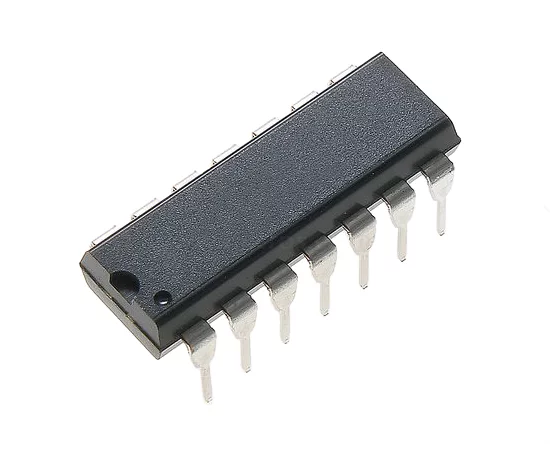
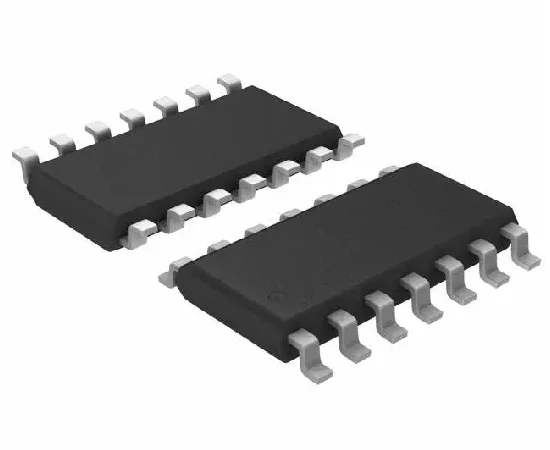
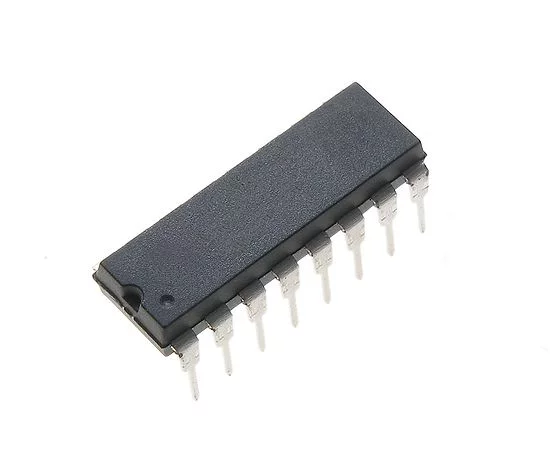
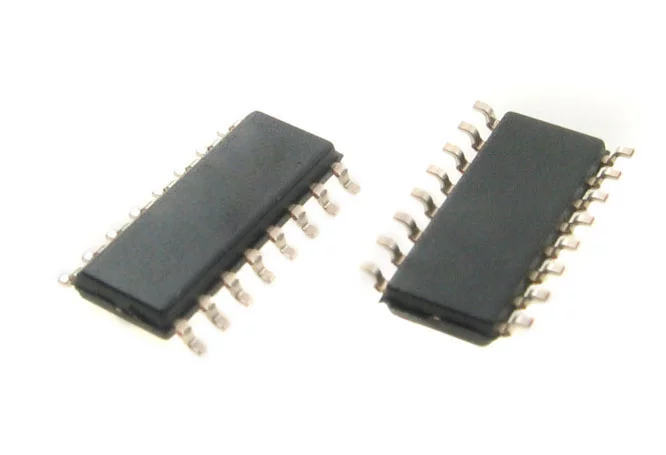
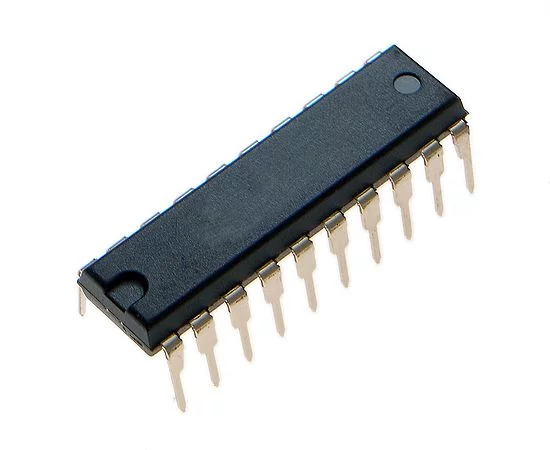
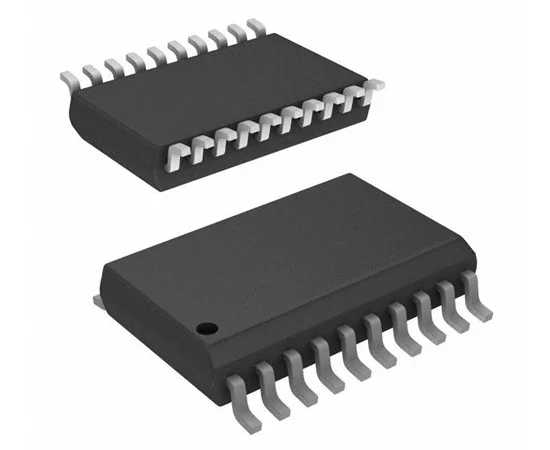
Tabela 1: Układy serii CD4000 i 74HC firmy HONGLIFA (HLF) w ofercie Micros